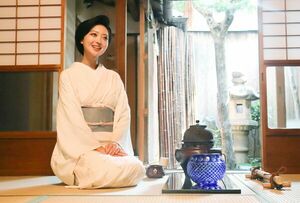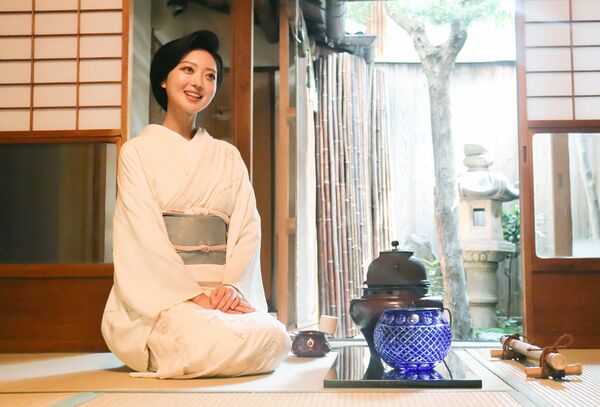
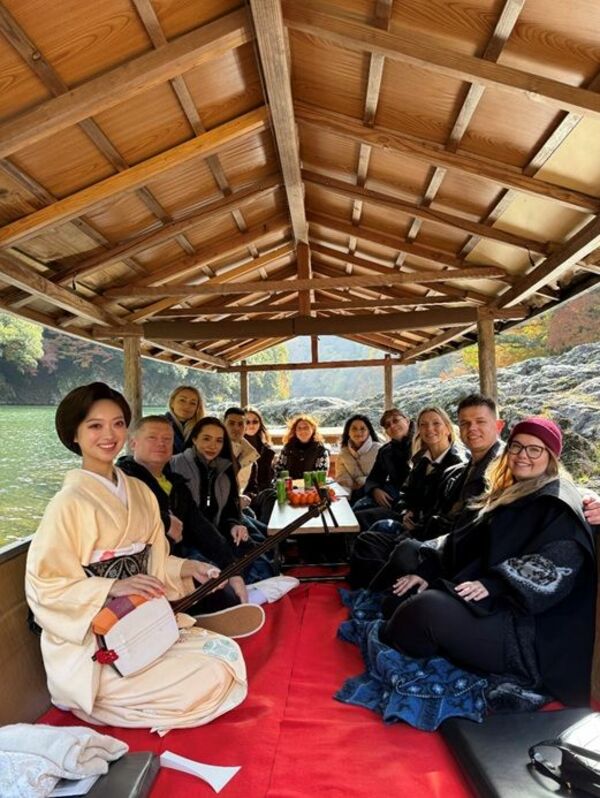
A former maiko (apprentice geisha) has launched a business in Kyoto offering cultural experiences for international visitors—such as shamisen performances and tea ceremonies aboard a traditional *yakatabune* (roofed pleasure boat). She aims to leverage the artistic skills she honed while living in the *hanamachi* (geisha district). "I want to share the charm of Japanese culture with the world and help preserve traditional arts—including etiquette and craftsmanship—that are currently in decline," she says.
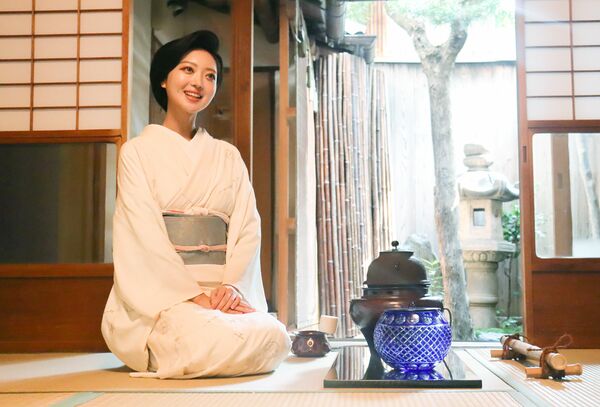
The entrepreneur is 27-year-old Tsubura Takeda, a native of Fukuoka Prefecture. She was captivated by the cityscape of the ancient capital when she first visited Kyoto on a junior high school field trip. Later, after watching a dance performance in Gion with her mother, she became fascinated by the world of the *hanamachi*. She dropped out of high school during her first year to pursue her dream, applying to the Kyoto Traditional Musical Art Foundation (Ookini Foundation).
She lived communally with other maiko at an *okiya* (geisha house) in Kyoto, dedicating herself to learning how to wear kimono and play the shamisen. Her one-year training period leading up to her official debut was incredibly hectic, filled with lessons and work; she recalls, "I used to cry while looking at the Takase River and call my father to say I wanted to quit."
While performing at *ozashiki* (traditional banquets), she mastered the necessary arts. She describes those days as fulfilling, noting, "I learned more from spending time with guests than I did on my days off." Due to health issues, she chose not to pursue a career as a full-fledged geisha; after five years as a maiko, she returned to Fukuoka at age 21. She set out on a hitchhiking journey around Japan to reflect on her life but realized, "I really do love Kyoto." Deciding she could put her experience to use by offering cultural experiences for international visitors, she resolved to start her own business. She honed her language skills during a short-term study-abroad program in the Philippines to prepare.
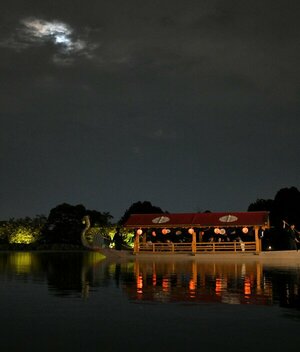
She taught herself business management by attending events where corporate leaders spoke. The business concept she devised was a tourism experience in Arashiyama involving a chartered *yakatabune* boat, where guests could enjoy traditional parlor games and a shamisen performance by Takeda herself, dressed in a kimono. In the summer, visitors can watch cormorant fishing, a seasonal tradition. Operations began in July 2025, and reservations from Western tourists quickly started pouring in via platforms like Instagram.
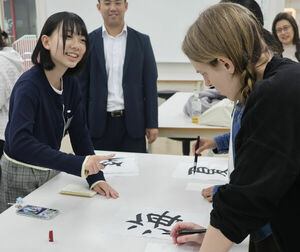
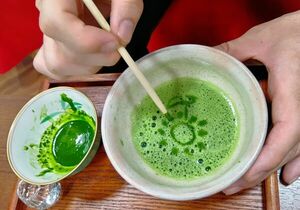
To welcome guests during the winter months when boat excursions are difficult, the company renovated a century-old *Kyo-machiya* (traditional Kyoto townhouse) in the city center and opened a hub for experiencing traditional culture in March 2026. They employ staff proficient in English who are skilled in the shamisen and tea ceremony, and also offer corporate services that include inviting active *maiko* (apprentice geisha) to perform traditional dances.
"Travel experiences stay with you for a lifetime. I want to uplift the spirits of people who are usually busy with work," said Hitomi Tsubura, adding, "I would be even happier if capturing demand from inbound tourists helps ensure that the people involved in Japanese culture and craftsmanship receive fair compensation for their work."