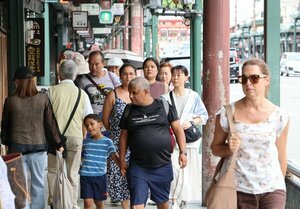
A survey conducted by a company supporting restaurants revealed that approximately 60% of inbound tourists who participated in English-language tours in Kyoto felt that having "menus with photos" or "English menus" was sufficient regarding English support at restaurants. In contrast, very few respondents indicated a need for "English-speaking staff."
The company that conducted the survey analyzed the results by noting that "when serving visitors to Japan, it is important not only to provide service in fluent English but also to clearly convey information such as menu details, prices, and ordering procedures."
The survey was conducted jointly by COLLINS (based in Setagaya Ward, Tokyo), a company supporting digital marketing for restaurants, and GuideMe Japan (based in Higashiyama Ward, Kyoto), which organizes tours for international visitors.
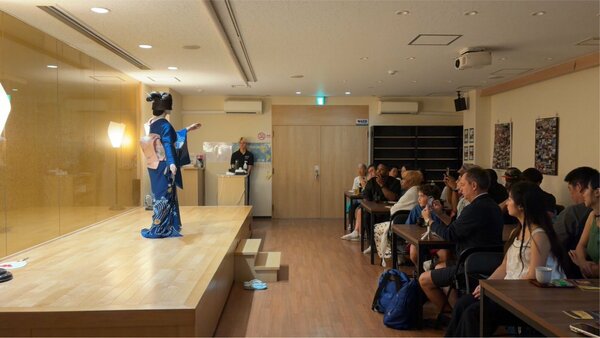
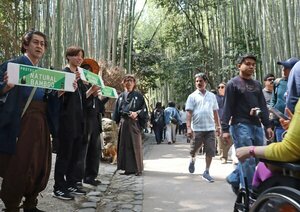
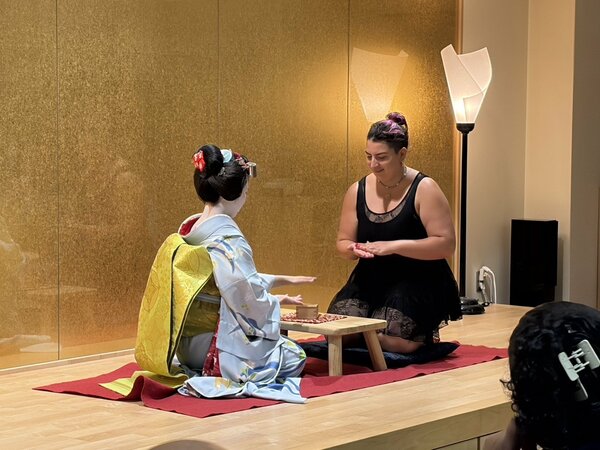
Responses were collected between April and July from 354 participants in tours such as "morning tours of central Kyoto" and "maiko (apprentice geisha) viewing experiences." Respondents from English-speaking countries—specifically the United States, Australia, the United Kingdom, and Canada—accounted for 58.8% of the total.
Regarding English-language support at restaurants, 34.2% of respondents felt that "a menu with photos is sufficient," while 25.1% felt "an English menu is sufficient," bringing the combined total for these views to 59.3%. Meanwhile, 16% stated that "English support is unnecessary." In contrast, the need for "an English website," "the ability to make reservations in English," or "English-speaking staff" was cited by only around 1% of respondents in each category.
COLLINS commented, "While English-speaking service is not unnecessary, restaurants are primarily expected to provide information that allows customers to judge the menu contents and prices for themselves."
In response to the question of when they choose restaurants during their trip to Japan, 76.3% of respondents said they selected more than 70% of the restaurants they visited after arriving in the country. This suggests that many visitors do not decide on restaurants before their trip but rather look for places to eat while walking around the city, basing their choices on their current location and plans for the day.
Google Maps was the most common source of information used to find restaurants, cited by 63.0% of respondents. Many also utilized methods such as spotting places while walking by, performing Google searches, and checking reviews, indicating a tendency to compare multiple sources of information when selecting a restaurant. In the open-ended response section, respondents expressed a desire for better information and reservation options, citing needs such as "information on small shops," "visibility on Google Maps," "easier online booking," "clarity on credit card acceptance," and "estimates for wait times."
When choosing a restaurant, the most important factor cited was the type of cuisine (75.4%), followed by Google Maps ratings and location.
Masaki Nakajima, Representative Director of Collins, pointed out that many restaurants view the prospect of serving foreign customers as a high hurdle, believing they must hire staff who speak foreign languages. He noted, however, that "visitors to Japan understand the language barrier exists," suggesting that restaurants could take a more relaxed approach to the matter.
At the same time, he urged restaurants to improve how they share information, noting that it is a "missed opportunity" for establishments wishing to attract international visitors to fail to provide menus with photos or to omit menu details from their websites.