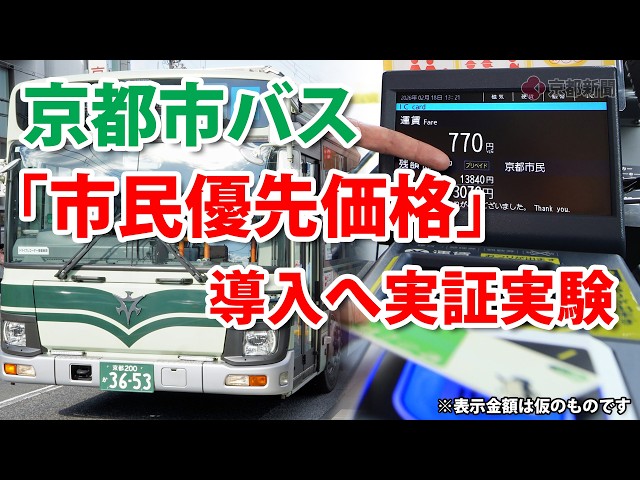
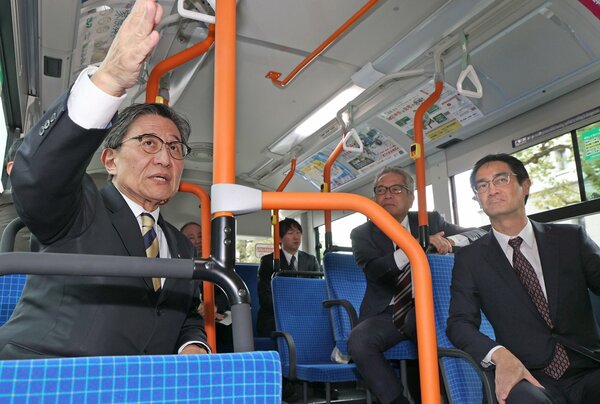
Kyoto City aims to introduce a "resident-priority price" on city buses by fiscal 2027, and on February 18, 2026, the Ministry of Land, Infrastructure, Transport and Tourism and the city conducted a demonstration experiment of a fare identification system in front of City Hall in Kyoto's Nakagyo Ward. Participants tapped transportation IC cards pre-linked to their My Number cards to verify that the resident price was correctly applied.
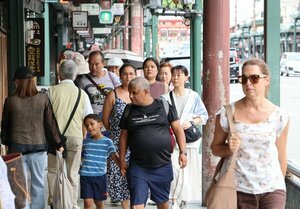
As city residents grow increasingly frustrated with overcrowding on city buses due to the increase in tourists, the idea is to separate fares for "residents" and "non-residents," allowing residents to experience the benefits of tourism by paying a lower fare than tourists. Private bus operators are also considering introducing this system.
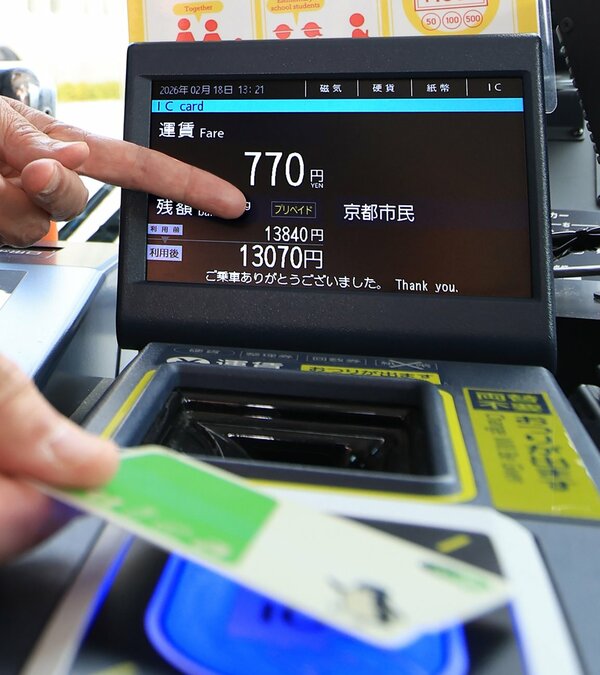
For the demonstration experiment, provisional fares were set at 770 yen for residents and 990 yen for non-residents. The IC card number linked to the provisional My Number information was pre-registered in the bus fare box system.
When participants tapped an IC card assumed to be held by a resident, the fare box screen displayed the identification result as "Kyoto resident." One issue was the time it took to identify whether a person was a citizen or not from the vast amount of data, so the experiment began with the fare box system being registered with data from approximately 900,000 people, estimating the city's population. However, it took less than a second from touching the fare box to deducting the citizen price from the IC card.
Mayor Matsui Koji, who participated in the experiment, said in an interview after the experiment, "It went very smoothly and we have made progress towards resolving one major issue." Regarding the actual pricing, he said, "This is an issue of public interest, and we will need to work with private operators, so we will announce it as soon as possible."
The national government and Kyoto City are also reportedly in the final stages of resolving the legal issue prohibiting discriminatory price differences, and Hattori Masaki, Director-General of the Kinki Regional Transport Bureau, said, "If citizen priority pricing were introduced, it would help alleviate congestion and encourage citizen use of public transportation."